
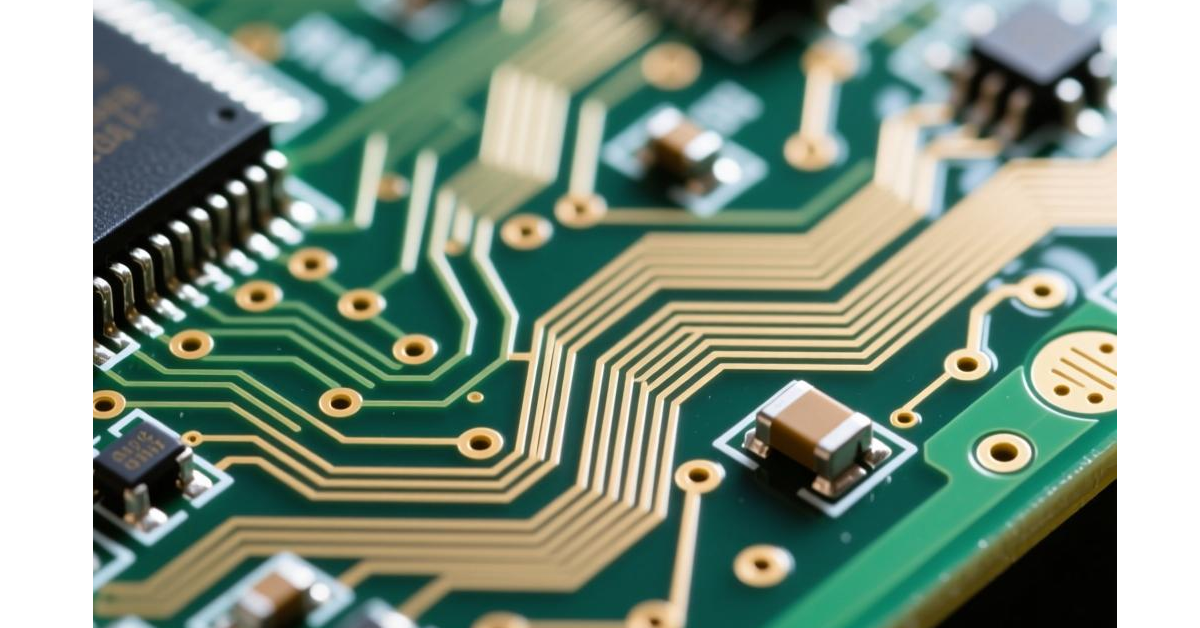
With the rapid development of fields such as high-frequency communication, 5G, satellite navigation, and radar technology, the application of high-frequency PCBs (Printed Circuit Boards) in modern electronic devices is becoming increasingly widespread. High-frequency PCBs require extremely high precision and stability in the transmission of high-frequency signals. Therefore, every step of their manufacturing process requires precise control, especially the finished product testing and environmental simulation stages. Testing and environmental simulation equipment are crucial for ensuring the quality, performance, and reliability of high-frequency PCBs.
Overview of High-Frequency PCB Factories
High-frequency PCB factories specialize in producing circuit boards suitable for high-frequency applications, primarily used in RF (Radio Frequency) devices, communication base stations, automotive electronics, aerospace, medical equipment, and other fields. Compared to traditional PCBs, high-frequency PCBs operate at higher frequencies and exhibit lower signal attenuation, thus imposing stricter requirements on circuit board design, manufacturing, and testing. Finished product testing and environmental simulation are key steps in ensuring that high-frequency PCB performance meets industry standards, especially for thoroughly inspecting aspects like signal transmission quality, high-temperature resistance, and anti-interference capability.
Finished Product Testing Equipment
Finished product testing equipment for high-frequency PCBs is primarily used to evaluate and verify the electrical performance, signal integrity, transmission rate, reliability, and other indicators of the circuit boards. This testing equipment helps engineers detect whether the circuit boards meet design requirements and can effectively identify potential quality issues.
- Network Analyzer: A common device in high-frequency PCB testing, primarily used for testing the S-parameters (scattering parameters) of circuit boards. Using a network analyzer, engineers can assess performance indicators of high-frequency PCBs such as frequency response, impedance matching, insertion loss, and return loss. S-parameter testing, in particular, can directly reflect the signal transmission characteristics of the PCB at different frequencies, thereby determining its suitability for high-frequency applications.
- Oscilloscope: A device used to observe signal waveforms and their changes in circuits. For high-frequency PCBs, the high bandwidth and high sampling rate of an oscilloscope are key tools for assessing signal quality and transmission speed. An oscilloscope can test the time-domain characteristics of high-frequency PCBs, such as signal rise time, fall time, and waveform distortion.
- Time Domain Reflectometer (TDR): Primarily used to test the line quality of high-frequency PCBs, especially for testing reflected waves and signal transmission delays in lines. Using TDR, impedance mismatches on the circuit board can be measured to determine if there are minor contact issues, conductor defects, or signal loss problems.
- RF Signal Generator: Used to provide input signals to high-frequency PCBs, simulating signal sources in real-world usage environments. By adjusting the frequency, amplitude, and waveform of the signal generator, engineers can test the response characteristics of high-frequency PCBs across different frequency bands and amplitudes. RF signal generators are commonly used to evaluate the signal processing capability and signal transmission stability of PCBs.
- Load and Impedance Testing Equipment: During signal transmission, high-frequency PCBs require conductive paths on the board to have precise impedance matching. Load and impedance testing equipment helps engineers detect whether the transmission lines and terminal impedance of the circuit board meet standards, ensuring signal integrity and reducing signal reflection and loss.
Environmental Simulation Equipment
High-frequency PCBs in practical applications often need to operate under extreme environmental conditions, such as high temperature, high humidity, and vibration. Therefore, conducting environmental simulation tests during the production process is an essential step. Environmental simulation equipment can simulate the working state of high-frequency PCBs under various extreme conditions, ensuring their stability and reliability in real-world applications.
- Thermal and Humidity Test Chamber: Primarily used to simulate the working state of high-frequency PCBs under different temperature and humidity environments. By testing under controlled temperature and humidity conditions, engineers can evaluate the high-temperature resistance, moisture resistance, and performance of high-frequency PCBs under extreme environmental conditions. This is crucial for the long-term reliability of circuit boards, especially in high-reliability fields like aerospace and military applications.
- Thermal Cycling Chamber: Reliability testing for high-frequency PCBs also requires thermal cycling tests. This equipment simulates the performance of circuit boards in working environments with significant temperature variations by rapidly changing the temperature environment. Thermal cycling tests can assess the physical deformation, stress distribution, and connection reliability of high-frequency PCBs under temperature changes, preventing failures caused by thermal cycling.
- Vibration Test System: Used to simulate the impact of mechanical vibrations on high-frequency PCBs during transportation and use, ensuring that PCBs do not experience functional failures or connection issues due to vibration or external shocks in real-world applications. Vibration test systems can typically be set to different vibration frequencies and amplitudes. Through repeated vibration testing, the mechanical reliability and structural strength of high-frequency PCBs are checked.
- Salt Fog Test Chamber: Primarily used to test the corrosion resistance of high-frequency PCBs in high-salt-fog environments, especially for evaluating their performance when used in marine or harsh climatic conditions. Salt fog testing can effectively inspect the corrosion resistance of the circuit board surface and contact points, preventing PCB failure due to long-term exposure to humid or corrosive environments.
- Electromagnetic Interference (EMI) Tester: EMI testing is an important aspect of high-frequency PCB production. EMI testing equipment evaluates the anti-interference capability of high-frequency PCBs by simulating external electromagnetic interference. Through EMI testing, it can be ensured that the circuit board can still function normally under high-frequency signal interference without issues like signal attenuation or noise.
The Importance of Finished Product Testing and Environmental Simulation
The performance of high-frequency PCBs relies not only on precision control during the manufacturing process but also on rigorous finished product testing and environmental simulation to ensure their reliability and stability in practical applications. Finished product testing helps engineers identify design flaws, manufacturing defects, and performance shortcomings for correction. Environmental simulation equipment verifies the operational capability of high-frequency PCBs under harsh conditions by simulating various extreme environments, preventing equipment failures caused by environmental factors.
Finished product testing and environmental simulation are crucial steps in ensuring the performance and quality of high-frequency PCBs. Through a series of precise testing and environmental simulation equipment, high-frequency PCB factories can ensure that every circuit board meets industry standards and customer requirements in terms of high-frequency signal transmission, high-temperature resistance, anti-interference capability, and more. As high-frequency technology continues to evolve, finished product testing and environmental simulation equipment will continue to play an irreplaceable role, driving the high-frequency PCB industry towards development with higher precision and greater reliability.