
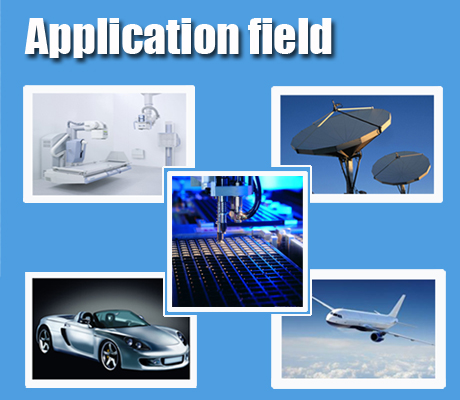
Applications of High-Frequency Circuit Boards in 5G, Radar, Satellite, and RF Electronics
Discover the major applications of high-frequency circuit boards in 5G communication, automotive radar, satellite systems, aerospace, medical equipment, RF modules, and high-speed electronics.
What Are the Applications of High-Frequency Circuit Boards?
High-frequency circuit boards are specialized PCBs designed to transmit high-speed and high-frequency signals with minimal signal loss, stable impedance, and excellent electromagnetic performance. These boards are widely used in modern electronic systems operating above 1 GHz, especially in RF, microwave, millimeter-wave, and ultra-high-speed digital applications.
Compared with conventional FR-4 PCBs, high-frequency PCBs use advanced low-loss materials such as PTFE, hydrocarbon ceramic laminates, and RF-grade composite substrates to achieve superior electrical performance.
As technologies such as 5G communication, autonomous driving, satellite internet, artificial intelligence, and aerospace electronics continue advancing, the demand for high-frequency PCB technology is growing rapidly.
Why High-Frequency PCBs Are Important
High-frequency signals are extremely sensitive to:
- Signal attenuation
- Impedance discontinuity
- Electromagnetic interference (EMI)
- Insertion loss
- Crosstalk
- Phase instability
Standard PCB materials often cannot maintain reliable signal transmission at microwave or millimeter-wave frequencies.
High-frequency circuit boards solve these problems by offering:
- Low dielectric loss (Df)
- Stable dielectric constant (Dk)
- Excellent thermal stability
- Controlled impedance performance
- Reduced signal reflection
These advantages make them essential for advanced RF and high-speed electronic systems.
1. 5G Communication Equipment
One of the largest applications of high-frequency PCBs is 5G infrastructure.
5G communication systems operate at much higher frequencies than previous wireless generations, including sub-6 GHz and millimeter-wave bands.
High-frequency PCBs are widely used in:
- 5G base stations
- Massive MIMO antennas
- RF power amplifiers
- Beamforming modules
- Small-cell communication systems
- RF front-end modules
These applications require extremely low signal loss and stable impedance performance.
Materials such as Rogers RO4350B, RO4003C, and PTFE laminates are commonly used in 5G RF circuit design.
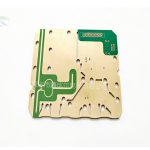
High frequency PCB used in 5G communication base station
2. Automotive Radar Systems
Modern vehicles increasingly rely on radar technology for advanced driver assistance systems (ADAS) and autonomous driving.
Automotive radar systems commonly operate at:
- 24 GHz
- 77 GHz
- 79 GHz
At these frequencies, PCB signal loss and dimensional precision become extremely important.
High-frequency PCBs are used in:
- Collision avoidance radar
- Adaptive cruise control
- Blind-spot monitoring
- Parking assistance systems
- Autonomous driving sensors
These systems demand:
- Ultra-low insertion loss
- Stable RF transmission
- Excellent thermal reliability
- Precise multilayer alignment
3. Satellite Communication and Aerospace Electronics
Satellite and aerospace systems operate under extremely demanding conditions, including:
- High-frequency transmission
- Extreme temperatures
- Harsh environmental stress
- Long-term reliability requirements
High-frequency circuit boards are widely used in:
- Satellite communication modules
- Phased-array antennas
- Aerospace radar systems
- GPS communication equipment
- Spaceborne RF systems
PTFE-based microwave laminates are commonly selected because of their excellent RF performance and low dielectric loss.
For aerospace-grade RF materials, engineers often reference Rogers Corporation.
4. RF and Microwave Communication Systems
RF and microwave electronics are among the most traditional applications for high-frequency PCB technology.
These systems require stable signal transmission at microwave frequencies.
Common applications include:
- RF amplifiers
- Microwave filters
- Power dividers
- Couplers
- Antenna systems
- Wireless communication modules
High-frequency PCB materials help maintain signal quality while reducing transmission loss and EMI.
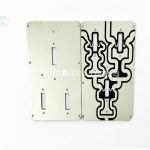
RF and microwave high-frequency PCB module
5. High-Speed Networking Equipment
Modern data communication systems operate at extremely high data rates, requiring PCB materials with excellent signal integrity performance.
High-frequency and low-loss PCB materials are used in:
- High-speed routers
- Optical communication equipment
- Data center switches
- AI servers
- Cloud computing hardware
- 100G/400G networking systems
These systems require:
- Controlled impedance
- Low insertion loss
- Stable dielectric performance
- Reduced signal jitter
Advanced hydrocarbon and PPO-based laminates are often selected for these high-speed applications.
6. Medical Electronic Equipment
Many modern medical devices use high-frequency PCB technology for precise signal transmission and imaging performance.
Applications include:
- MRI systems
- Medical imaging equipment
- Wireless monitoring devices
- RF therapy systems
- Diagnostic communication modules
Medical electronics require highly reliable PCB materials with excellent electrical stability and long-term performance consistency.
7. Defense and Military Electronics
Military and defense systems frequently operate at microwave and millimeter-wave frequencies.
High-frequency PCBs are used in:
- Electronic warfare systems
- Military radar
- Secure communication systems
- Missile guidance electronics
- Surveillance equipment
These applications require:
- High reliability
- Extreme environmental resistance
- Stable RF performance
- Precision impedance control
Many military RF systems use advanced PTFE ceramic laminates for maximum signal performance.
8. Internet of Things (IoT) and Smart Devices
As IoT devices become more advanced, many wireless modules now operate at higher frequencies.
High-frequency PCBs are increasingly used in:
- Smart home devices
- Wi-Fi 6/7 modules
- Bluetooth communication systems
- Wearable electronics
- Industrial wireless sensors
Compact RF modules require low-loss PCB materials to maintain stable wireless communication performance.
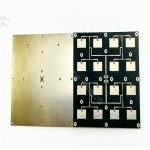
Compact IoT RF module with high-frequency PCB
Common Materials Used in High-Frequency PCBs
Several specialized materials are commonly used in high-frequency circuit board manufacturing.
Popular options include:
- Rogers RO4350B
- Rogers RO4003C
- RT5880
- Taconic RF laminates
- PTFE materials
- Hydrocarbon ceramic laminates
- PPO/PPE-based laminates
Each material offers different advantages depending on:
- Frequency range
- Thermal requirements
- Manufacturing complexity
- Cost targets
Additional RF laminate information can also be found through AGC Electronics Materials Division.
Key Advantages of High-Frequency Circuit Boards
Compared with ordinary PCB materials, high-frequency PCBs provide several major benefits:
- Lower signal loss
- Better impedance control
- Improved EMI performance
- Stable dielectric properties
- Superior RF signal integrity
- Higher transmission efficiency
- Better thermal reliability
These advantages are essential for modern wireless communication and microwave electronic systems.
Conclusion
High-frequency circuit boards have become a foundational technology in modern electronics. From 5G infrastructure and automotive radar to satellite communication, aerospace systems, medical devices, and AI networking equipment, RF PCB technology continues enabling faster, more reliable signal transmission.
As wireless frequencies continue increasing and electronic systems become more complex, the demand for advanced high-frequency PCB materials and manufacturing technologies will continue growing across nearly every major technology industry.